

Western Cape Destinations
Six tourism regions, from the Cape Peninsula to the far Karoo — and how to work out which of them belong in your trip.
Hero image: Cape Town City Bowl and Table Mountain at dawn.jpg by Daniel Case, CC BY-SA 3.0, via Wikimedia Commons.
The Western Cape is small enough to cross in a long day and varied enough to fill a month. Within a few hours of Cape Town you can move from an Atlantic beach to a mountain vineyard, from wheatlands to semi-desert. That variety is the reason planning matters here: the province rewards travellers who choose two or three areas and travel them properly, and punishes those who try to see everything.
This guide organises the province into the six Western Cape destinations regions used by regional tourism bodies. Each has its own landscape, driving character and best season. Start with the region that matches the trip you actually want, then drill down into the towns, parks and attractions inside it.
Where to stay and what to book across the Western Cape
One place to start from each region, and the four experiences most first trips are built around.
Places to stay
The Silo Hotel, V&A Waterfront
Design-led luxury built into the old grain silo above the Zeitz MOCAA, at the working end of the V&A Waterfront.
View Property DetailsLanzerac Hotel & Spa, Stellenbosch
A historic wine estate hotel in the Jonkershoek valley, minutes from central Stellenbosch.
View Property DetailsThe Marine Hermanus, Cliff Path
A landmark cliff-path hotel above Walker Bay, in the centre of Hermanus.
View Property DetailsTurbine Hotel & Spa, Thesen Islands Knysna
A hotel built inside Knysna’s old Thesen Islands power station, on the lagoon.
View Property Details


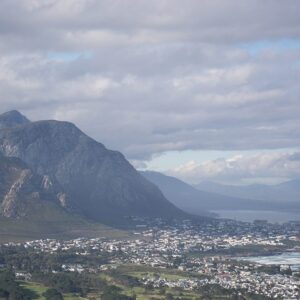

Browse all Western Cape accommodation
Tours and experiences
Cape Peninsula: Cape of Good Hope & Boulders Beach Penguins
The full peninsula circuit — down one coast, back up the other, with the Cape and the penguins in between.
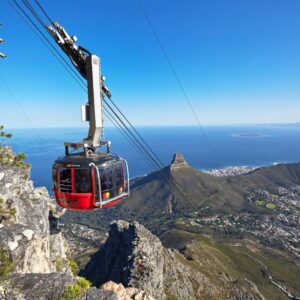
View Tour DetailsCape Town: Table Mountain Cable Car Ticket
The cableway ticket itself — useful for skipping the payment queue, not the weather.
View Tour DetailsCape Town: Robben Island Ferry Ticket and Guided Prison Tour
The official components — the ferry from the Waterfront and the guided prison tour on the island.
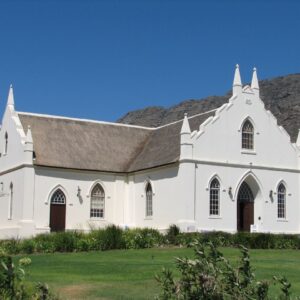
View Tour DetailsFrom Cape Town: Franschhoek Wine Tram Hop-on Hop-off
The valley’s hop-on hop-off tram and tram-bus loop — the neatest solution to drinking and driving in Franschhoek.
View Tour Details


In this Western Cape destinations guide
Western Cape destinations by region
These six regions are the traveller-facing structure of the province. They are not municipal boundaries — they group places by the kind of trip they suit.
 Cape TownThe city, the Peninsula and Table Mountain. Beaches, mountain hiking, museums and the Cape Point drive, all within an hour of the centre.Explore Cape Town →
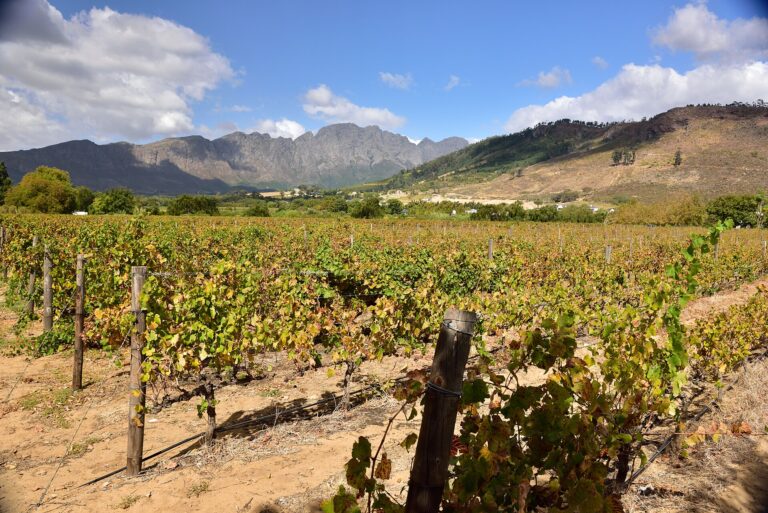 Cape WinelandsStellenbosch, Franschhoek and Paarl. Cape Dutch towns, mountain passes and the oldest organised wine route in the country.Explore the Winelands →
 Cape OverbergHermanus, Cape Agulhas and De Hoop. Land-based whale watching, wheatlands, and the true southern tip of Africa.Explore the Overberg →
 Cape West CoastPaternoster, Langebaan and the Cederberg. Fishing villages, a vast lagoon, rock art and the spring wildflower season.Explore the West Coast →
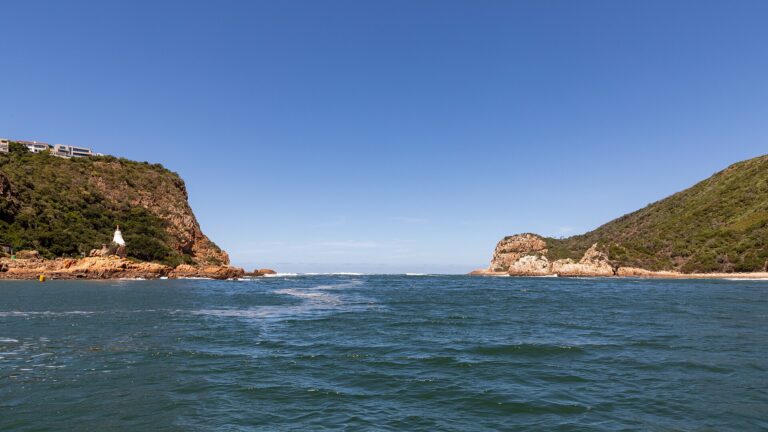 Garden Route & Klein KarooKnysna, Wilderness and Plettenberg Bay, with Oudtshoorn and the mountain passes immediately inland.Explore the Garden Route →
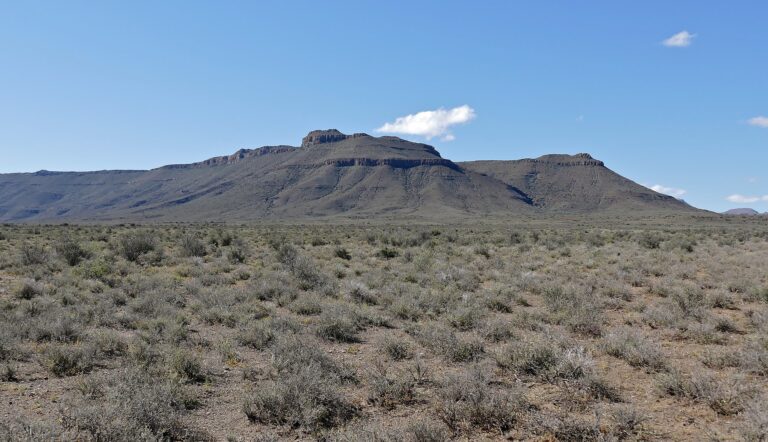 Cape KarooPrince Albert, Beaufort West and the Karoo National Park. Big skies, dark nights and the long N1 heritage corridor.Explore the Karoo →
Where most first-time visitors start
If this is a first trip and you have a week to ten days, the conventional route works because it is genuinely good: Cape Town and the Peninsula for three or four nights, the Winelands for two, and then either the Whale Coast east along the coast or a longer run to the Garden Route.
That leaves the West Coast, the Klein Karoo and the Cape Karoo for a second visit, or for travellers who prefer quiet roads and small towns to headline sights. None of those three is a consolation prize — the Cederberg and the Swartberg Pass are among the best things in the province — but they are harder to fit into a short first trip.
Choosing regions by the trip you want
Match the region to your priority
- City, sea and mountain in one place
- Cape Town — and you can do the Peninsula without changing hotels.
- Wine, food and historic architecture
- Cape Winelands, an easy hour from the city.
- Whales from the shore
- Cape Overberg, roughly June to November.
- Wildflowers and empty beaches
- Cape West Coast, with the flower season concentrated in August and September.
- Forest, lagoons and coastal drives
- Garden Route, best over five days or more.
- Mountain passes and stargazing
- Cape Karoo and the Klein Karoo, all year but coldest in midwinter.
Major Western Cape destinations
Individual Western Cape destinations guides published so far, with more added as they are researched and verified:
Distances are longer than they look
The single most common planning error in the Western Cape is underestimating driving time. Mountain passes, single-carriageway roads, farm traffic and coastal speed limits all slow you down, and a map distance of 300 km can take five hours rather than three. Garden Route drivers in particular tend to book too many overnight stops.
Plan on fewer, longer stays. Two nights is close to the minimum for a place to be worth unpacking in, and three is better for the Winelands or Knysna. Our self-drive guide covers realistic travel times, mountain passes and gravel-road conditions in detail.
When to visit the Western Cape
The Western Cape has a Mediterranean climate: dry, warm summers and cool, wet winters. Broadly, November to March suits beaches, swimming and long daylight but brings the strongest south-easterly wind and the busiest, most expensive weeks over December and January. June to August is the rainy season in Cape Town and the Winelands, and the best time for southern right whales along the Overberg coast.
Shoulder seasons — March to May and September to November — are the sweet spot for most trips: settled weather, thinner crowds, and the wildflower and whale seasons at either end. The travel planning guide goes into month-by-month detail.
Choosing between regions? Cape Town vs Garden Route covers the comparison most first-time visitors run into, and the best time to visit Cape Town explains how the seasons differ across the province.
Official sources for Western Cape destinations
Opening hours, entry fees, permit rules, park closures and seasonal access all change, and we do not republish them here as fixed facts. Before you travel, check the operators and conservation authorities directly:
- Cape Town Tourism — official visitor information for the city and the wider Cape.
- SANParks — national parks including Table Mountain, West Coast, Agulhas, Garden Route and Karoo.
- CapeNature — the provincial reserves, including De Hoop, Cederberg and Kogelberg.
Ready to build a route?
Start with a region, or work from a ready-made itinerary and adapt it.