
first 24 hours in Cape Town planning starts with current conditions, realistic timing and confirmed transport.
The first day in Cape Town works best when it is deliberately light. Flights are tiring, the airport transfer can lengthen in traffic, and the weather may change the plan you made at home. The goal is not to collect attractions. It is to get oriented, eat well, sleep at the right time and begin the next morning with a clear idea of how the city fits together.
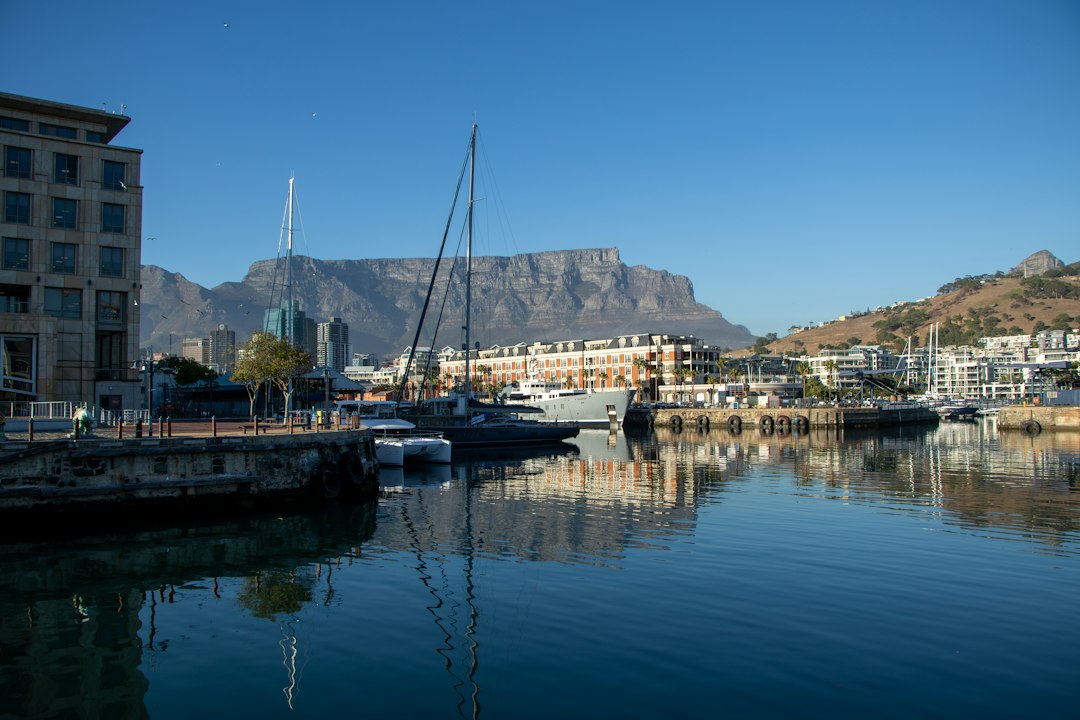
Before leaving the airport
Use the arrivals hall to complete the jobs that become irritating later: connect to mobile data, withdraw only the cash you expect to need and confirm the address of your accommodation. If a transfer is booked, check the meeting point before walking outside. If you are using an app ride or authorised taxi, follow the airport signs and ignore unsolicited offers.
Cape Town International Airport lists authorised transport options on its official transport page. A pre-booked transfer is the easiest choice after a long international flight. An app ride is usually more flexible. Collecting a hire car immediately makes sense only if you are leaving the city soon or your accommodation has confirmed parking.
Check in before making plans
Drop your bags, confirm the property’s access arrangements and ask whether there are any local conditions that affect the evening. Cape Town neighbourhoods can be close on a map but separated by steep slopes, wind and peak-hour traffic. Staying near the City Bowl or V&A Waterfront makes a gentle first afternoon easier; a Camps Bay arrival is more weather-dependent.
If you have not chosen a base yet, use our Cape Town neighbourhood guide rather than selecting a hotel solely by distance from the centre.
A first-afternoon plan that survives delays
Choose one walkable area near your accommodation. From the Waterfront, follow the harbour edge and return before dinner. From the City Bowl, use Company’s Garden and the surrounding central streets in daylight. From Sea Point or Green Point, walk a section of the promenade. Each option provides food, toilets and an easy way back if jet lag arrives suddenly.
Do not make Table Mountain Cableway your fixed arrival-day booking. Wind and cloud can close it, and a delayed flight can turn a good idea into an expensive rush. Save it for a clear window once you are rested.
Dinner and the first evening
Book dinner close to where you are staying, particularly on Friday or Saturday. Avoid a long cross-city journey for a restaurant on the first night. Eat at a normal local hour, drink more water than usual after the flight and resist the temptation to sleep at 18:00. A short walk after dinner helps reset the body clock, but use an app ride or hotel-arranged transport after dark rather than walking an unfamiliar route.
The next morning
Wake early, check the mountain and wind, then choose the day around the conditions. A clear, calm morning favours Table Mountain or the Peninsula. Low cloud favours the Waterfront, museums, food and neighbourhood exploration. Strong south-easterly wind may make exposed beaches and the cableway poor choices while sheltered parts of the city remain pleasant.
- Clear mountain: go early to the cableway or a viewpoint.
- Cloud or rain: use museums, markets and indoor attractions.
- Strong wind: choose a sheltered neighbourhood or the Winelands.
- Still exhausted: keep the morning local and move the major sight to day two.
A sensible first 24 hours
The successful version is simple: reliable transport from the airport, an easy check-in, one nearby orientation walk, an early dinner and a weather-led decision the next morning. Our Western Cape itineraries can take over from there, and the Cape Town trip-length guide helps decide what deserves the remaining days.
first 24 hours in Cape Town: practical planning
Use first 24 hours in Cape Town as the anchor for the day, then confirm live opening information, weather and transport before leaving. Allow extra time for seasonal demand, traffic and queues, and keep one flexible alternative in the itinerary. The official Cape Town tourism site is a useful place to check current visitor information.
For your first 24 hours, keep the route simple and flexible. Your first 24 hours should leave room for rest as well as orientation. A well-paced visit is more rewarding than a rushed checklist. Carry water, protect valuables and leave enough daylight for the return journey. These practical choices make first 24 hours in Cape Town easier to enjoy, while our Cape Town travel blog provides ideas for the rest of the trip.